
A muddy-ground sunrise rave is an outdoor dance event where music, weather, and the transition from night to morning combine into a vivid shared experience. The appeal is real, but so are the practical demands: festivalgoers need footwear suited to mud, reliable hydration, hearing protection, and a plan for changing conditions. Public-health guidance on heat, noise, and outdoor safety helps explain how to enjoy the atmosphere—from rain-soaked dancing to the first light of dawn—without letting preventable risks define the night.
Sunrise rave conditions shape the muddy-ground experience
A rave is commonly understood as a dance event organized around electronic music, often featuring DJs, amplified sound, and an extended party atmosphere. “Muddy-ground sunrise rave” is a descriptive phrase rather than a formal event category: it refers to an outdoor rave where rain or soft terrain affects the site and dancing continues into dawn. This combination makes the ground, weather, crowd, sound system, and event organization closely connected parts of the experience.
The sunrise setting has a practical as well as visual dimension. The U.S. National Institute for Occupational Safety and Health recommends limiting occupational noise exposure to an average of 85 decibels over eight hours; amplified music can exceed that level, so time near speakers and hearing protection matter. The U.S. Centers for Disease Control and Prevention also advises people to take heat precautions during strenuous activity, including taking breaks and drinking fluids. At a muddy outdoor event, these considerations sit alongside slippery ground, changing temperatures, and the difficulty of moving through dense crowds.
Mud, rain, and terrain
Mud is water-saturated soil that has become soft enough to impede walking or support. At a festival, its effect depends on rainfall, drainage, soil type, foot traffic, and how vehicles or temporary structures have altered the site. A field that is manageable at the beginning of an event can become deeply rutted where people repeatedly cross the same paths.
The practical response is to choose shoes with secure tread and ankle support, protect spare socks in a waterproof bag, and avoid running on slick slopes. Event organizers can reduce bottlenecks with stable walkways, drainage planning, lighting, and clearly marked routes. Mud itself is not a reliable indicator of danger, but concealed holes, loose cables, and congested paths can turn difficult footing into a safety problem.
Night-to-dawn timing
A sunrise rave extends dancing across the hours when darkness gives way to daylight. The transition can make an outdoor setting feel dramatic, but it also means people may be active for many hours, with fatigue accumulating as the night progresses. Cool night air can give way to stronger sun, while wet clothing and wind can make a person feel cold even after dancing.
Plan clothing in layers, check the forecast, and identify sheltered areas before the event becomes crowded. A dawn finish should not be treated as proof that it is safe to drive home: fatigue can impair attention and reaction time. Arrange a sober driver, public transport, or a designated rest period before traveling.
Rave sound and crowd energy define the loud-night atmosphere
The loud-night attribute describes the amplified music and crowd activity that give a rave its intensity. Sound levels vary by stage, speaker placement, and distance, so no single figure represents every event. The World Health Organization’s safe-listening guidance identifies 100 decibels as a maximum average sound level for up to 15 minutes, while recommending lower exposure where possible. That guidance is especially relevant near loudspeaker arrays, where sustained exposure may contribute to hearing damage or tinnitus.
Crowd energy is another defining feature, but it depends on space and movement as much as music. Dance areas, walkways, exits, and quieter zones all influence how safely people can move. A positive atmosphere is easier to sustain when attendees can leave a packed area, find water, and reach staff without pushing through a bottleneck.
Hearing protection and sound exposure
Hearing protection reduces the sound reaching the ears; reusable musician-style earplugs are designed to lower volume while retaining more sound detail than many disposable foam plugs. The WHO recommends taking listening breaks, keeping a safe distance from speakers, and using well-fitted hearing protection at loud events. Ringing or muffled hearing after a set is a warning sign to leave the loud area and allow the ears to recover, not a badge of endurance.
A simple event graphic could compare recommended listening limits with exposure time, while making clear that actual risk depends on sound level and individual circumstances. Attendees can reduce exposure by alternating between dance-floor time and quieter areas, rather than staying beside speakers throughout the night.
Crowd movement and event design
Crowd management is the planning of space, entry, exit, and movement to reduce congestion and help people get assistance. A safe event provides visible exits, unobstructed paths, trained staff, accessible water, and a way to report medical concerns. In muddy conditions, solid walkways and lighting become particularly important because uneven ground can slow movement and increase falls.
Attendees can support safer crowd flow by agreeing on a meeting point, keeping emergency routes clear, and moving away from pressure rather than against it if a crowd becomes tightly compressed. If someone falls or appears distressed, alert event staff or medical personnel promptly. Clear communication between organizers and attendees is more useful than relying on improvisation once a problem develops.
Outdoor rave preparation protects the sunrise experience
Preparation links the sensory appeal of the event to practical care. The National Weather Service recommends dressing for conditions and being aware of changing weather; at an outdoor rave, rain, wind, cold, and sun exposure can occur within one event. The CDC advises people to drink fluids and take breaks during heat, while noting that severe heat illness requires prompt attention. Hydration needs vary, so follow event medical guidance and avoid assuming that drinking excessive amounts of water is harmless.
The best preparation is simple and specific: check the forecast and venue rules, pack weather-appropriate layers, bring hearing protection, and know where water, toilets, first aid, and exits are located. If the event provides updates about site conditions, transport, or weather, check them before setting out and again during the night.
Clothing, footwear, and essential items
For wet ground, footwear should offer traction, fit securely, and be comfortable for prolonged standing. Waterproof boots may help in deep mud, while breathable shoes can be preferable in lighter conditions; the right choice depends on terrain, temperature, and personal mobility needs. Bring dry socks, a waterproof layer, and a small bag for essentials, but follow venue restrictions on bags and equipment.
Useful items often include earplugs, a charged phone, identification, any necessary medication, and a portable light if permitted. Keep valuables minimal and store important items in a secure, water-resistant pocket. Do not use a phone while walking across uneven ground or in dense crowd movement.
Hydration, rest, and medical support
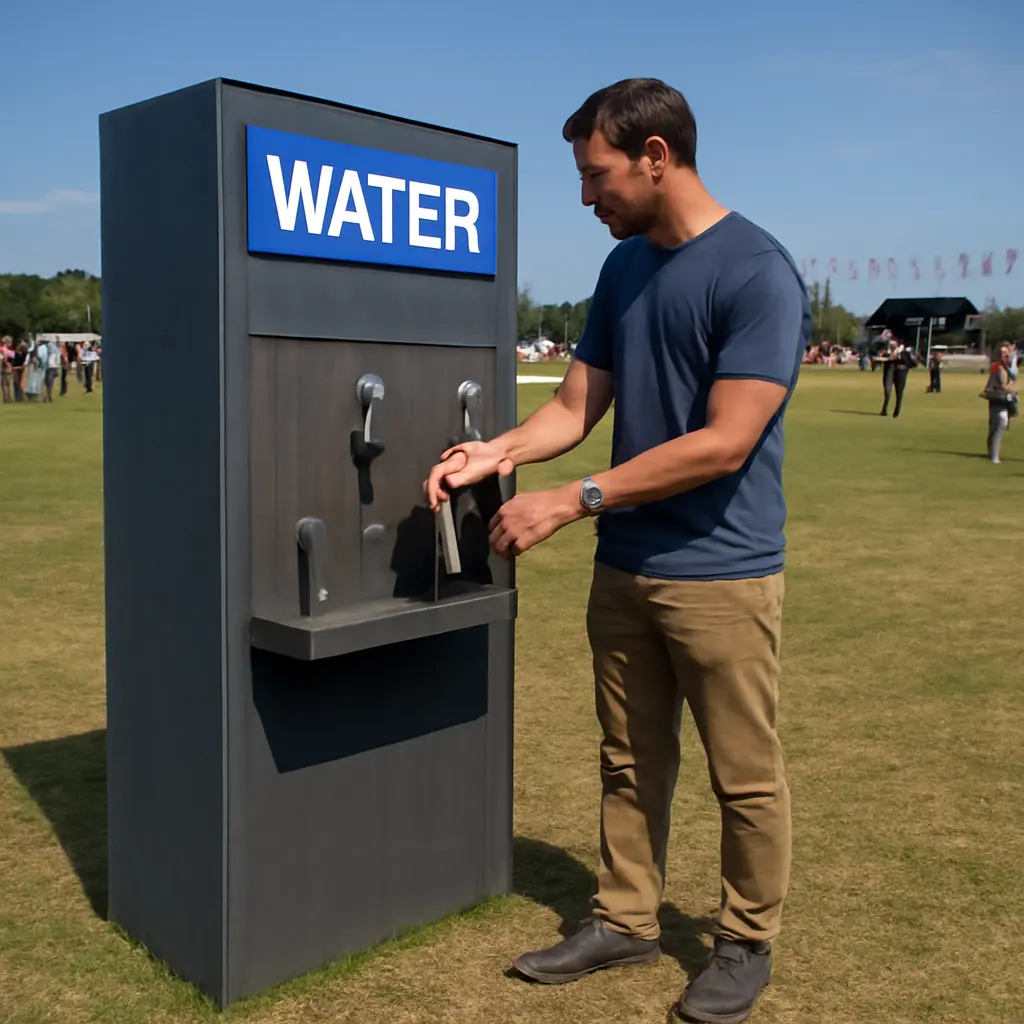
Hydration means replacing fluids lost through activity and sweating; it should be balanced with rest, food, and awareness of symptoms. The CDC’s heat guidance emphasizes drinking fluids and taking breaks, especially during strenuous activity or hot conditions. At an event, locate free or accessible water points and medical tents before you need them, and seek help for confusion, fainting, severe weakness, or other urgent symptoms.
Rest is also a safety measure. Taking time away from the dance floor can help people notice fatigue, cold, overheating, or discomfort before these worsen. Look after friends by checking in, staying together when possible, and contacting event staff if anyone is unwell or difficult to wake.
Muddy sunrise rave memories depend on responsible choices
The muddy-ground sunrise rave brings together outdoor terrain, loud music, collective dancing, and the emotional shift from night to morning. Its distinctive atmosphere is strongest when practical planning supports rather than interrupts the experience. Mud calls for secure footing; amplified sound calls for hearing protection and breaks; long hours call for rest, hydration, and a safe journey home.
Before attending, review the weather and venue information, pack for changing conditions, identify essential services, and agree on a transport plan. During the event, respect crowd space, take care of friends, and seek help early when something feels wrong. These steps help make sunrise memories vivid for the right reasons—and make outdoor events safer for everyone.
Sources: World Health Organization, Global standard for safe listening venues and events, https://www.who.int/publications/i/item/9789240043114; World Health Organization, Safe listening, https://www.who.int/health-topics/hearing-loss#tab=tab_2; National Institute for Occupational Safety and Health, Criteria for a Recommended Standard: Occupational Noise Exposure, https://www.cdc.gov/niosh/docs/98-126/; U.S. Centers for Disease Control and Prevention, Heat and Athletes, https://www.cdc.gov/heat-health/about/athletes.html; National Weather Service, Weather Safety, https://www.weather.gov/safety/.
Related Posts

Overnight Logistics That Keep Your Van Trip Smooth And Stress Free
Overnight van-trip logistics are the planning practices that make sleeping,…
Festival packing is about to change with these unexpected essentials
Festival packing is shifting from “bring the basics” to planning…

How Immersive Stages And Production Make Festivals Addictive
Festivals’ immersive production is the coordinated use of stage design,…