
Festival packing is shifting from “bring the basics” to planning for heat, long walks, crowds, and unpredictable weather. The most useful unexpected essentials are often practical rather than flashy: electrolyte supplies, sun protection, hearing protection, a compact power bank, and a way to carry refillable water. These choices reflect real festival conditions: the U.S. Centers for Disease Control and Prevention warns that heat can cause dehydration and heat-related illness, while the World Health Organization recommends keeping average sound exposure below 80 decibels over 40 hours a week. Check each event’s rules before packing, since policies on bags, batteries, water containers, and sunscreen vary.
Festival packing essentials for comfort, safety, and flexibility
Festival essentials are items that help attendees manage predictable demands—exposure to sun and noise, extended time on their feet, limited charging access, and crowded grounds—without adding unnecessary bulk. The best list depends on the festival’s location, duration, accommodation, and permitted-item rules. “Unexpected” does not mean unusual for its own sake: it means easy-to-overlook gear with a clear job to do.
The Environmental Protection Agency’s UV Index is designed to communicate the risk of ultraviolet exposure and help people choose protective measures. Meanwhile, the National Institute for Occupational Safety and Health notes that repeated loud-sound exposure can damage hearing. Together, these risks make sun and hearing protection as relevant to a festival checklist as tickets and comfortable shoes.
Electrolyte packets for hot, active days
Electrolyte packets are portable drink mixes that replace some salts lost through sweat. They may be useful during prolonged activity in hot conditions, but they are not a substitute for water, shade, cooling, or medical care. The CDC identifies heavy sweating, weakness, dizziness, nausea, and headache as possible signs of heat exhaustion. Anyone experiencing concerning symptoms should stop activity, move to a cooler place, and seek help from event medical staff; confusion or loss of consciousness requires emergency attention.
Pack single-serve portions and follow the label rather than mixing them more concentrated than directed. People with health conditions or dietary restrictions should check ingredients and consult a health professional if unsure. Before bringing any powder or drink container, confirm the festival’s food and beverage policy.
A refillable water bottle or hydration pack
A refillable bottle reduces the need to buy single-use drinks and makes it easier to keep water accessible. A hydration pack can be more convenient when walking between stages, but some festivals restrict reservoir size, pocket count, or bag dimensions. Look up the event’s approved-bag and water-station rules before choosing one.
A practical approach is to carry a permitted, easy-to-clean bottle and refill it at designated stations. Drink regularly, but do not assume that forcing excessive amounts of water is safer; follow medical advice and attend to how you feel. Water access, shade, and rest breaks work together, particularly during heat.
High-fidelity earplugs for music and conversation
High-fidelity earplugs reduce sound volume while aiming to preserve more of the music’s tonal balance than basic foam plugs. They are a small, reusable option for loud stages, but fit matters: poorly inserted earplugs may provide less protection than expected. Bring a case so they remain clean and easy to find.
The WHO’s safe-listening standard recommends limiting average sound exposure to 80 decibels for 40 hours per week; at higher sound levels, recommended exposure time falls. Festival sound levels and personal exposure vary, so earplugs, distance from speaker stacks, and quieter breaks are sensible safeguards. The WHO also advises taking breaks from loud sound and keeping a safe distance from speakers.
Festival packing strategies for weather, walking, and logistics
Once the main health protections are covered, the next packing decisions are about staying comfortable across changing conditions. A useful kit is layered: a few items address weather and terrain, while others make navigation, charging, and recovery easier. These additions should be selected according to the forecast and venue rather than packed automatically.
Packable rain layer and compact emergency blanket
A lightweight waterproof jacket or poncho can help during rain without taking up much space. A compact emergency blanket is a reflective, lightweight sheet intended to help retain body heat in an emergency; it is not a replacement for proper clothing, shelter, or medical care. In wet or windy conditions, staying dry and changing out of damp layers can make a long day more manageable.
Check the hourly forecast, not just the daily high, and consider whether the venue is exposed, muddy, or far from shelter. A spare pair of socks in a sealed bag is often more useful than a bulky extra outfit. Keep the kit small enough to meet the event’s bag restrictions.
Blister care and foot comfort
Blister care means preventing friction and protecting irritated skin with items such as well-fitting, broken-in shoes, moisture-managing socks, and blister dressings. Long walks between parking, campsites, and stages can make footwear a key part of festival planning. A small blister kit can include adhesive dressings and a few bandages, subject to venue rules.
Test shoes before the event rather than wearing them for the first time on festival grounds. Change damp socks when possible, and cover a hot spot early instead of waiting for a blister to worsen. If a wound becomes increasingly painful, swollen, or infected-looking, seek medical advice or visit the festival’s first-aid service.
Power bank, charging cable, and offline plans
A power bank is a portable battery that can recharge a phone when outlets are unavailable. It supports practical tasks such as checking schedules, contacting companions, using digital tickets, and arranging transport. Choose a model with enough capacity for your needs, pack the correct cable, and protect devices from rain and dirt.
A charged phone is not a complete safety plan: networks can be congested, batteries can fail, and people can become separated. Download the festival map and schedule for offline use, agree on a meeting point, and save important phone numbers. Check the event’s battery and power-bank restrictions, especially for camping or air travel.
Sunscreen, sunglasses, and a brimmed hat
Sun protection combines shade-seeking behavior with protective clothing, sunglasses, and broad-spectrum sunscreen. The EPA’s UV Index helps people understand when ultraviolet exposure calls for extra precautions. A brimmed hat can shade the face and ears, while sunglasses labeled for UV protection help protect eyes.
Apply sunscreen according to its label and reapply as directed, particularly after sweating or contact with water. A small, allowed container is easier to carry than relying on finding sunscreen on site. Check venue rules for aerosol products and container sizes.
Festival packing checklist by priority
A priority-based checklist prevents useful extras from crowding out essentials. The following items are examples, not a universal packing prescription; adapt them to the event’s official guidance, your health needs, and your travel arrangements.
- Entry essentials: ticket, identification, payment method, and any required medication.
- Health and exposure: refillable water container, sunscreen, hat, sunglasses, and high-fidelity earplugs.
- Comfort: broken-in footwear, spare socks, blister dressings, and a compact rain layer.
- Communication: charged phone, charging cable, permitted power bank, offline map, and a meeting-point plan.
- Optional support: electrolyte packets, a small first-aid kit, and a compact emergency blanket when conditions justify them.
For a real-world planning example, a day festival with open fields and limited shade calls for sun protection, water access, earplugs, and a rain plan. A multi-day camping festival adds sleep, hygiene, food-storage, and nighttime-temperature needs. The event’s own permitted-items list should determine final choices; a useful item that is prohibited can delay entry or be confiscated.
Conclusion: Build a festival kit around the conditions
Unexpected festival essentials are most valuable when they address real demands: electrolytes and refillable water for hot, active days; earplugs for loud stages; weather protection and blister care for long hours outdoors; and a power bank plus offline plans for communication. Sun protection remains a core part of the kit, not an optional extra. Check the forecast, review official venue rules, and pack only what you can carry comfortably. Before leaving, confirm your water plan, agree on a meeting point, and make sure you know how to find on-site medical help.
Sources: U.S. Centers for Disease Control and Prevention, Heat-Related Illnesses, https://www.cdc.gov/heat-health/about/index.html; World Health Organization, WHO Global Standard for Safe Listening Venues and Events, https://www.who.int/publications/i/item/9789240043114; National Institute for Occupational Safety and Health, Noise and Occupational Hearing Loss, https://www.cdc.gov/niosh/noise/about/noise.html; U.S. Environmental Protection Agency, UV Index, https://www.epa.gov/sunsafety/uv-index-scale-0; World Health Organization, Deafness and hearing loss, https://www.who.int/news-room/fact-sheets/detail/deafness-and-hearing-loss
Related Posts
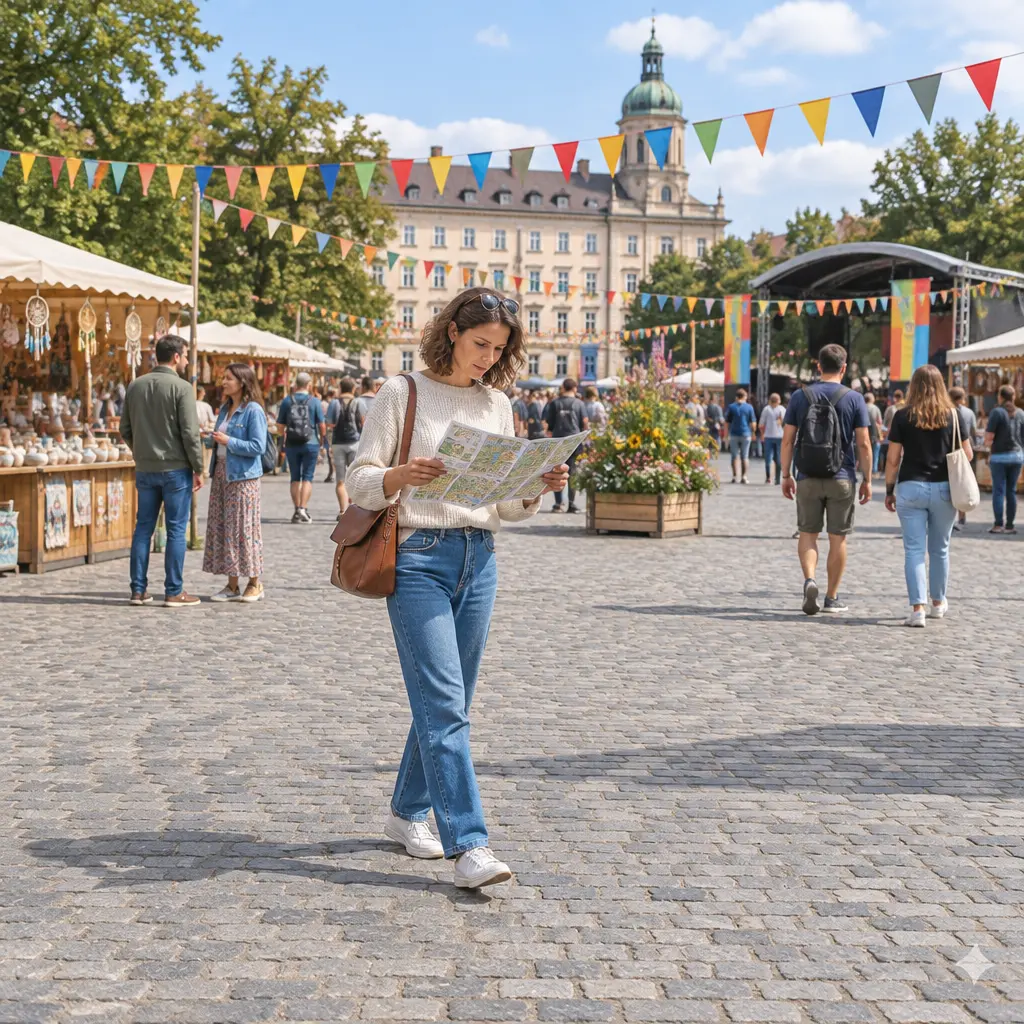
The Rise of Festival Tourism and Travel Culture
Festival tourism is travel organized around attending cultural, musical, religious,…

Breathable Fabrics That Survive Sweat Dust And Sudden Downpours
Breathable fabrics that survive sweat, dust, and sudden downpours are…

What First Time Attendees Should Know Before Buying Their Ticket
Event Tickets: What First-Time Attendees Should Know Before Buying An…